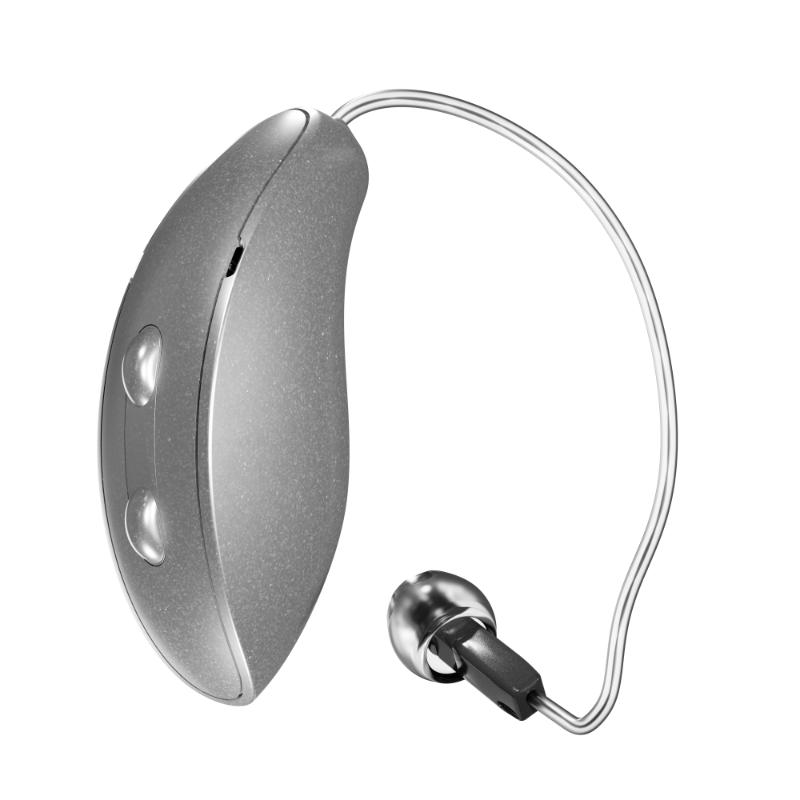
Get the right hearing aids for you with our
fully independent & personalised service.
Book your appointment today.
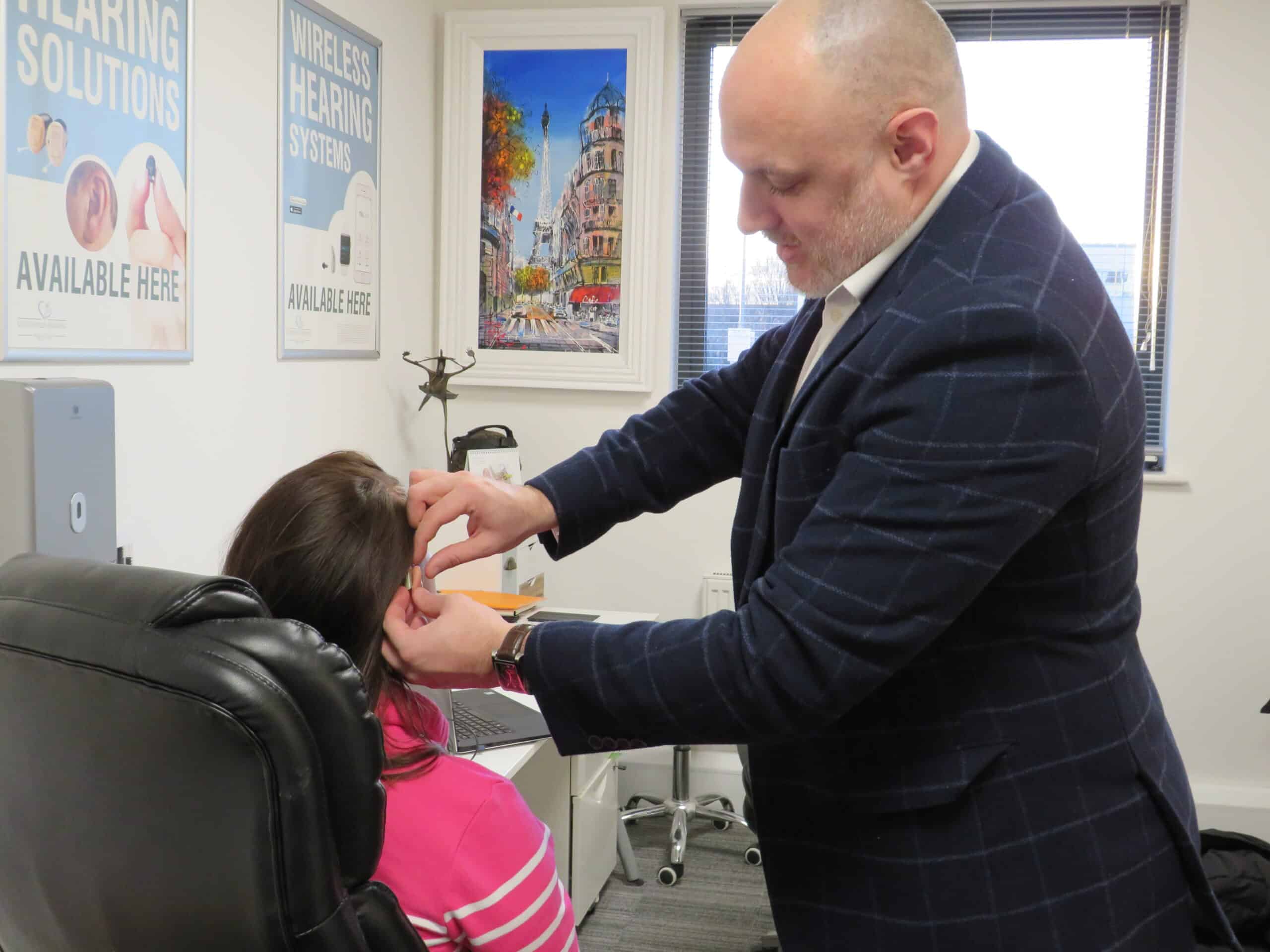
Have you noticed your hearing isn’t as good as it was? Investing in the right hearing aids can be truly life changing.
At Cotswold Hearing we provide the very latest in hearing aid technology, along with award-winning service.
Whether you’re looking for a simple discreet hearing aid, or high-tech features such as smartphone connectivity, fitness trackers, and fall alerts, we ensure you get the right hearing solution for you.
As a truly independent clinic, we are able to offer hearing aids from all the leading manufacturers, including Starkey, Unitron, Phonak, Oticon, Bernafon, Signia, Widex, GN Resound.
Unlike some of the larger hearing aid providers, we build long-term relationships with our patients. As a result, we offer outstanding aftercare that lasts the lifetime of your hearing aids.
We understand that getting a new hearing aid can be a daunting process, which is why we’ve made it as simple as possible. Our expert audiologist will guide you every step of the way, ensuring you are happy with your hearing aids for many years to come.







Get all the answers to our most frequently asked questions about hearing aids.
If you have a question that isn’t included, please feel free to contact us on 0800 669 6084
or info@cotswoldhearing.co.uk
Struggling to hear in social situations, turning the volume up high on the television, thinking people are mumbling a lot, or finding it difficult to communicate with loved ones are all signs you could be suffering from hearing loss.
During your hearing assessment we will examine your ear canals then use the latest equipment to test which sorts of sounds you can hear and which you may be struggling with. You will be played a series of different tones through some headphones and asked to respond when you can hear them. The results are then analysed to determine whether you could benefit from a hearing aid.
The cost of hearing aids varies depending on which style and features you choose. At Cotswold Hearing we only offer high quality hearing aids that provide excellent value for money. Our range of hearing aids are priced between £599 and £1699.
The latest hearing aids come with a wide range of features to suit your lifestyle and budget. We will talk you through all the options and ensure you are fitted correctly to get the most out of your new hearing aid.
The best hearing aids are those that meet your specific requirements. At Cotswold Hearing we offer a truly personalised service so that you can be confident of getting the best hearing aid for you. As a fully independent hearing care provider, we are able to offer hearing aids from all the top manufacturers.
Yes, hearing aids are tax payer funded and available for free at the point of need on the NHS in the UK. However, availability depends on your local NHS services, as some areas may have different policies. Here’s how it works:
If you’re looking for more advanced or discreet hearing aids, private options may be worth considering. At Cotswold hearing we work with all the major manufacturers of hearing aids globally and have the most advanced and discrete options available. If you would like to arrange a consultation please contact us on 0800 669 6084 or fill out your details on our contacts page and we shall be in contact as soon as possible.
Most hearing aids are water-resistant, but very few are fully waterproof. The key facts to be aware of are:
At Cotswold hearing we offer a vast array of very robust devices that have been subject to rigorous testing by the manufacturers in their R and D facilities. Contact us to find out more about the hearing aids that we have available and how you can benefit.
Yes, NHS hearing aids are free for pensioners in the UK. The NHS provides hearing aids at no cost to anyone who needs them, regardless of age, as long as they are prescribed by an NHS audiologist.
Here’s what’s included:
Free hearing test (with a GP referral)
Free hearing aids (usually behind-the-ear models)
Free batteries & maintenance
However, if you choose to go private, you’ll have access to more advanced, smaller, or rechargeable hearing aids – along with greater access to consultations at your convenience and a more tailored service that can provide more time to discuss your challenges and difficulties and create a relationship that will serve you for the life of those hearing aids but these are then a personal investment on the patients part rather than the costs being covered by the NHS.
Yes, hearing aids can help with tinnitus for many people. While they don’t cure tinnitus, they can reduce its impact in several ways:
How Hearing Aids Help Tinnitus
Amplify External Sounds – This can mask or reduce the perception of tinnitus by making environmental sounds more noticeable.
Reduce Strain on Hearing – Hearing loss can make tinnitus seem louder. A hearing aid improves hearing, making tinnitus less intrusive. Built-in Sound Therapy – Some modern hearing aids have tinnitus masking features, which play white noise or calming sounds to distract from the ringing.
Improve Brain Stimulation – Hearing aids help keep the auditory system active, which may reduce tinnitus perception over time.
A hearing aid is the best solution for people with hearing loss, who suffer from tinnitus. Almost instantly it can have a positive impact even if the degree of loss is relatively mild. If you or a loved one are suffering from the effects of tinnitus and would like to understand more about how our hearing aids could help you to gain some relief then please contact us on 0800 6696084 or email info@cotswoldhearing.co.uk or fill out our contact form on our website and we will be in contact with you as soon as possible to arrange a consultation.
Hearing aids don’t directly cause vertigo, but some people may experience dizziness or balance issues when first using them. Here’s why:
Possible Reasons for Vertigo with Hearing Aids
Inner Ear Adjustment – The ear plays a key role in balance, so any change in hearing input might temporarily affect your equilibrium.
Volume Sensitivity – If the hearing aid is too loud or amplifies certain frequencies unevenly, it can create a sense of imbalance.
Blocked Ear Canal – A poorly fitted hearing aid can trap sound and pressure in the ear, leading to a sensation of fullness or dizziness.
Underlying Medical Conditions – If vertigo persists, it could be due to an inner ear issue like Ménière’s disease or vestibular disorders, not the hearing aid itself.
What to Do if You Experience Vertigo
Adjust the Fit & Settings – A hearing care specialist can fine-tune your hearing aids to reduce discomfort.
Give It Time – The brain may need a few days or weeks to adjust to new hearing input.
See a Specialist – If vertigo continues, it’s worth consulting an ENT specialist or your GP.
Hearing aids typically help reduce tinnitus, but in rare cases, they might seem to make it worse. Here’s why:
Possible Reasons Hearing Aids May Worsen Tinnitus
Incorrect Settings – If the amplification is too high or not balanced properly, it could make certain sounds more irritating. Overstimulation of the Auditory System – If your brain isn’t used to amplified sounds, it may temporarily perceive tinnitus as louder.
Ear Canal Blockage – A poorly fitted hearing aid can trap sound and create a “plugged-up” feeling, which might intensify tinnitus.
Pre-existing Condition – If an underlying ear issue (like Ménière’s disease) is causing tinnitus, a hearing aid won’t stop it and may highlight it instead.
What You Can Do
Give It Time – The brain usually adapts after a few weeks.
Adjust the Settings – An audiologist can fine-tune the hearing aid to balance sound levels.
Use Tinnitus Masking Features – Many modern hearing aids have built-in sound therapy to help manage tinnitus.
Check for Earwax Buildup – Excess wax can interfere with hearing aids and worsen tinnitus.
If your tinnitus feels worse with a hearing aid, a specialist can adjust it for a better experience.
Yes, hearing aids can sometimes cause headaches, especially when first wearing them or if they’re not properly adjusted. Here’s why:
Possible Causes of Hearing Aid-Related Headaches
Over stimulation – when the brain is first introduced to the new sounds the contrast can be significant, it can create discomfort.
Brain Adjustment – Your brain needs time to process new sounds, which can lead to temporary fatigue and headaches.
Poor Fit – A hearing aid that’s too tight or incorrectly positioned may cause pressure in the ear and head.
Feedback or Distortion – Whistling or unnatural sound quality can be irritating and lead to tension headaches.
Underlying Medical Conditions – If headaches persist, it could be due to sinus issues, TMJ, or another ear-related condition.
How to Prevent Hearing Aid Headaches
Consistent wearing of the aids – Start with a full-days use, the more you wear your hearing aid(s) the more quaickly the brain will adjust and the negatives subside.
Adjust the Volume & Settings – An audiologist can fine-tune the aid to avoid overstimulation.
Ensure a Comfortable Fit – A properly fitted hearing aid should feel natural, not painful.
Take Breaks – If discomfort persists, give your ears short breaks during the day. PRACTICE INSERTION – continuous practice and perseverance can ensure a better fit.
If you’re experiencing headaches with your hearing aids, persistence is generally the key assuming the hearing aids are fitting properly however a professional adjustment can usually fix the issue if there is a fit problem. At Cotswold hearing it is our mission to ensure every patient that can be helped will be helped – should you experience any issues we will do our upmost to rectify any discomfort.
Struggling to hear in social situations, turning the volume up high on the television, thinking people are mumbling a lot, or finding it difficult to communicate with loved ones are all signs you could be suffering from hearing loss.
During your hearing assessment we will examine your ear canals then use the latest equipment to test which sorts of sounds you can hear and which you may be struggling with. You will be played a series of different tones through some headphones and asked to respond when you can hear them. The results are then analysed to determine whether you could benefit from a hearing aid.
The cost of hearing aids varies depending on which style and features you choose. At Cotswold Hearing we only offer high quality hearing aids that provide excellent value for money. Our range of hearing aids are priced between £599 and £1699.
The latest hearing aids come with a wide range of features to suit your lifestyle and budget. We will talk you through all the options and ensure you are fitted correctly to get the most out of your new hearing aid.
The best hearing aids are those that meet your specific requirements. At Cotswold Hearing we offer a truly personalised service so that you can be confident of getting the best hearing aid for you. As a fully independent hearing care provider, we are able to offer hearing aids from all the top manufacturers.
Hearing aids work by amplifying sound to help people with hearing loss hear more clearly. Here’s a simple breakdown of how they function:
Main Components of a Hearing Aid
Microphone – Picks up sound from the environment.
Amplifier (Processor) – Increases the volume and adjusts frequencies based on hearing needs.
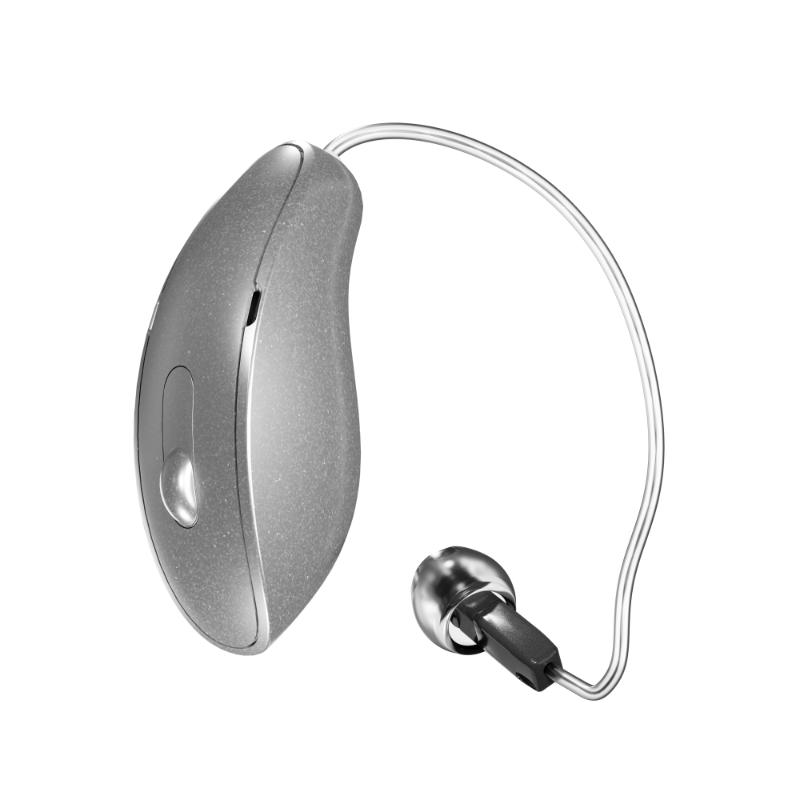
Speaker (Receiver) – Delivers the amplified sound into the ear.
Battery – Powers the device (either disposable or rechargeable).
How They Process Sound
1️ Sound is captured by the microphone.
2️ The processor analyses and amplifies specific frequencies (e.g., boosting speech sounds while reducing background noise).
3️ The receiver/speaker delivers the adjusted sound into the ear.
4️ The brain receives and processes the sound, making speech and environmental noises clearer.
Types of Hearing Aids
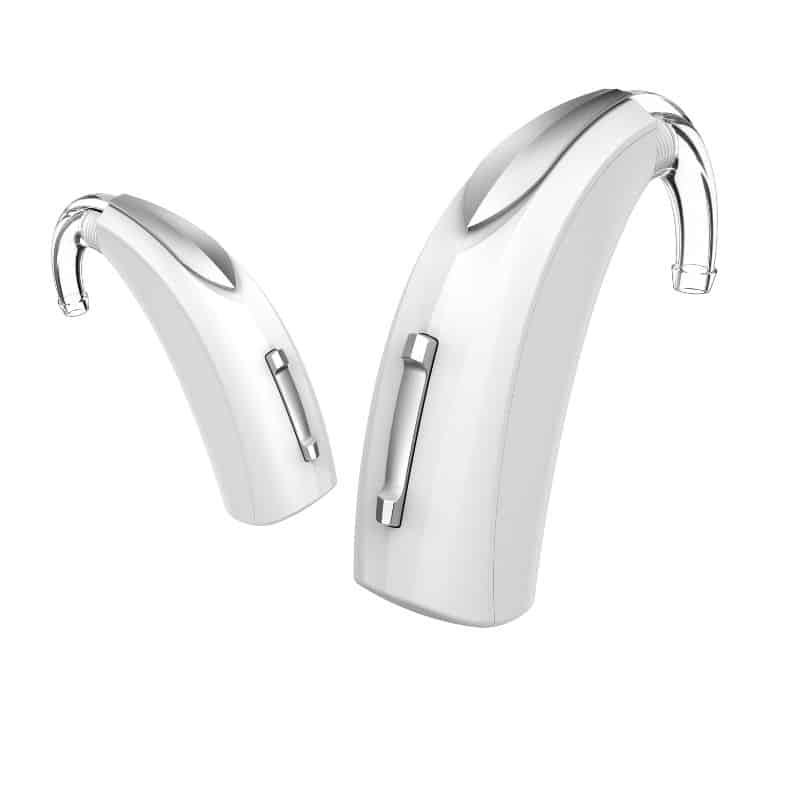
Behind-the-Ear (BTE) – Sits behind the ear, suitable for mild to severe hearing loss.
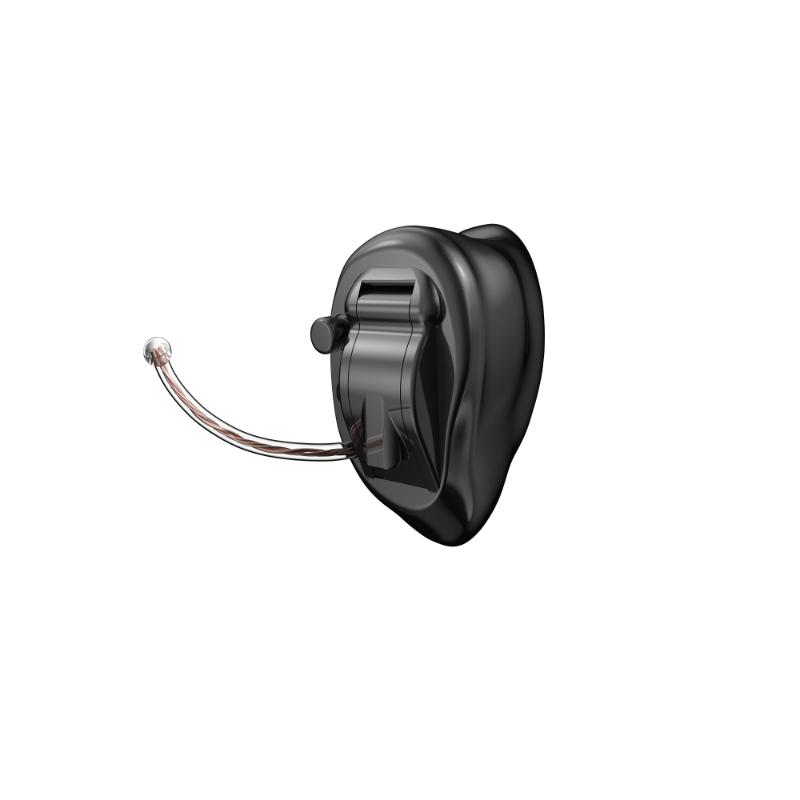
In-the-Ear (ITE) – Custom-molded to fit in the ear, more discreet.
Receiver-in-Canal (RIC) – A hybrid hearing aid, offering natural sound quality. Privately this is the most commonly prescribed and worn – offering unrivalled comfort and discretion.
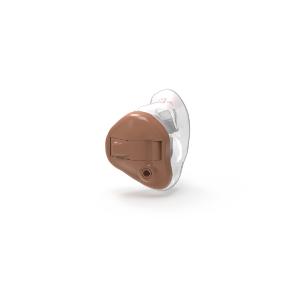
Completely-in-Canal (CIC) – Nearly invisible, but best for more specific types of hearing loss.
Modern hearing aids also come with features like Bluetooth, noise reduction, and tinnitus masking for extra comfort and clarity.
Hearing aids are made using advanced technology and precision engineering to ensure they fit comfortably and provide clear sound. Here’s how they’re made:
Hearing Test & Ear Molds – If a custom-fit hearing aid (like an in-the-ear model) is needed, an audiologist takes an impression of the ear.
Digital Design – The hearing aid shell is designed using 3D modelling software, ensuring a perfect fit.
3D Printing or Moulding – Many hearing aid shells are 3D-printed for accuracy. Behind-the-ear (BTE) models are made from durable plastic.
Component Assembly – Tiny microphones, amplifiers, receivers, and processors are inserted into the shell.
Programming the Chip – A digital signal processor (DSP) is programmed to amplify and filter sounds based on the user’s hearing profile.
Sound Calibration – The hearing aid is tested in a soundproof environment to ensure proper amplification.
Durability Checks – The device is tested for moisture, dust, and shock resistance.
Once the hearing aid is ready, an audiologist fine-tunes the settings for the user’s specific hearing loss.
Modern hearing aids also include Bluetooth, AI-based sound processing, and rechargeable batteries for improved performance. If you would like to understand more about the hearing aids we have to offer at Cotswold hearing please phone 08006696084 or email info@cotswoldhearing.co.uk
Hearing aids can significantly improve quality of life by enhancing communication, reducing stress, and improving overall well-being. Here’s how:
Improved Conversations – Amplifies speech and reduces background noise, making it easier to understand others.
Stronger Relationships – Helps you stay engaged with family and friends, preventing frustration caused by miscommunication.
Workplace & Social Confidence – Enables better participation in meetings and social events.
Prevents Brain Strain – Reduces the effort needed to hear, keeping the brain active.
Lowers Dementia Risk – Studies suggest that untreated hearing loss increases the risk of cognitive decline.
Less Stress & Anxiety – Hearing well can reduce social anxiety and stress in noisy environments.
Awareness of Surroundings – Helps you hear alarms, doorbells, traffic, and conversations in public places.
Reduces Fall Risk – Good hearing supports better balance and spatial awareness.
Less Isolation & Loneliness – Staying connected to conversations and activities improves mood.
More Enjoyment of Sounds – Hear music, nature, and loved ones more clearly.
Boots Hearingcare and Specsavers are prominent UK retailers offering a variety of hearing aids to accommodate diverse hearing needs and budgets. Here’s an overview of their offerings:
Boots Hearingcare:
Specsavers:
Both retailers include free adjustments, repairs, and warranties, ensuring ongoing support for users. However, neither provider offers a full range of manufacturers as they are both tied to a particular manufacturer generally – specsavers with signia and Boots with Phonak… which means you may not be fitted with the best solution available on the market but the best solution they have available to them at the time. This is where Cotswold hearing shines as being independent, we can provide any hearing aid available on the market and are not tied to any one manufacturer. We do have extensive knowledge of the market and constantly assess what each manufacturer has to offer so you can be confident that when you visit one of our offices you will be provided with the best, most advanced solution on the market that suits your requirements. If you would like to arrange a consultation to discuss what we offer relative to the national high street chains please contact us on 08006696084 or email info@cotswoldhearing.co.uk or fill out our contact us form and we will endeavour to contact you as quickly as possible.
The best hearing aid is the one that best matches your individual needs, as hearing loss, lifestyle, and personal preferences vary from person to person. A high-tech model with Bluetooth and AI sound processing may be ideal for someone who enjoys social events and streaming music, while a discreet, in-ear model might suit someone looking for a nearly invisible option. Factors such as comfort, battery life, tinnitus management, and background noise reduction all play a role in determining the right fit. The most effective hearing aid is the one that enhances your daily life and helps you hear clearly in the environments that matter most to you. At Cotswold hearing we will discuss your needs and preference at your hearing test appointment and then advise you as to what options are available to you, enabling you to make an informed decision ensuring you gain the most benefit from your hearing aids.
Hearing aids whistle due to a phenomenon called feedback, which happens when sound from the hearing aid’s speaker is picked up by its microphone and re-amplified. This creates a high-pitched whistling or squealing sound. Here are some common causes:
How to Fix It
Ensure a Proper Fit – Get the hearing aid adjusted by a professional.
Keep Ears Clean – Remove excess earwax to prevent sound reflection.
Adjust the Volume – Lowering it slightly may reduce feedback.
Check for Damage – Make sure there are no cracks or issues with the tubing.
If feedback persists, an audiologist can fine-tune the settings or recommend a different model with better feedback cancellation. At Cotswold hearing we are able to work with leading manufacturers who have some of the best feedback cancellation systems available, meaning you can be confident with our hearing aids feedback is a thing of the past.
Why are hearing aids so expensive?
Hearing aids are expensive due to a combination of advanced technology, research, manufacturing costs, and professional services. When purchasing privately the professional services and costs associated with the ongoing care are included when you purchase your hearing aids, so your are not just purchasing the aid you are purchasing the ongoing care and expertise of the professional you are working with. These costs are absorbed by the NHS should you choose the NHS as your provider.
High-tech components – Modern hearing aids include AI-powered sound processing, noise reduction, Bluetooth connectivity, and tinnitus masking.
Miniaturisation – Powerful microprocessors and sensors must fit into tiny devices without compromising performance.
Hearing aid manufacturers invest millions in scientific research, clinical trials, and innovation to improve sound quality, comfort, and features.
Unlike consumer earbuds, hearing aids are medical devices and must meet strict regulations.
Hearing aids are not one-size-fits-all—each device is tailored to an individual’s hearing loss, ear shape, and lifestyle needs.
Professional hearing tests, fittings, adjustments, and aftercare services add to the overall cost.
Most hearing aids include servicing, repairs, and software updates for several years.
Some providers offer lifetime aftercare, ensuring optimal performance over time.
Are There more Affordable Options?
NHS Hearing Aids – Free for eligible UK residents.
Entry-Level Private Hearing Aids – OTC online devices can be more affordable as they do not include the ongoing care and help that prescribed hearing aids include.
Payment Plans & Discounts – Many providers offer financing to spread the cost.
There are several insurance options available for hearing aids, depending on your location and provider. Here’s a breakdown of what’s available in the UK and other options for private coverage:
Free (tax payer funded) Hearing Aids on the NHS – Provided to eligible individuals through an NHS referral. These include basic digital models but may not have premium features like Bluetooth.
Free Repairs & Replacements – The NHS covers maintenance and battery replacements, however if you lose your hearing aid there is likely to be a surcharge to replace it if you are not due a reassessment (likely to be every 5-6 years).
Some private health insurance providers, like Bupa and WPA, offer partial coverage for hearing aids. However, most standard policies do not include them unless you have an add-on.
Specialist hearing aid insurers, such as Assetsure or UK Hearing Care Insurance, provide policies covering:
Most home insurance policies can cover hearing aids under personal belongings or gadget insurance (especially if they are lost or damaged outside the home). It’s worth checking with your provider – this tends to be the cheapest way to insure your private hearing aids.
Hearing aids come with extended manufacturer warranties, covering repairs, manufacturer fault and servicing (not for accidental damage or loss) for 4–5 years.
At Cotswold hearing we provide Independent help and advice to people who wish to improve their quality of hearing in the Swindon area. Based in Kembrey park in Pure offices (SN2 8BW) we are well positioned to provide the best in quality of care and value for money. Beating the competition in service levels and being conscientious with everything we do, we take great pride in ensuring every person we help with get the most out of their hearing aids and our vast swathe of knowledge and experience within the hearing care industry. In addition to our Swindon office, we also visit Malmesbury Opticians to provide a clinic every other week, Harper and Cooper Opticians in Cheltenham, Stow Opticians in Stow on the Wold, Woodstock Opticians in Woodstock nr Oxford, Watchfield Opticians near Faringdon.

I have had my hearing device for a couple of weeks now and the change is brilliant. I cannot recommend it highly enough. It is so lightweight, I forget I am wearing it and the difference it makes to my everyday living is significant.
Karen
Simply enter your details into our contact form and a member of our team will get back to you shortly.
Alternatively, email info@cotswoldhearing.co.uk
or call 0800 669 6084